
SCAD Fashion BFA Review and Scholarship Portfolio Guide
Fashion school admissions blog · Reviewed November 22, 2026
A high school student can have two very different reasons for looking up the SCAD fashion portfolio. One is admission to the undergraduate program. The other is consideration for an achievement honors scholarship. SCAD describes the undergraduate portfolio as optional for admission and provides separate instructions for scholarship materials. Identify the decision you want the portfolio to support before spending time or money producing new work. SCAD portfolio and writing guidelines Undergraduate scholarship portfolio categories
Reading the Fashion BFA backward from the senior collection
SCAD’s degree plan sets out three senior collection stages. Students begin with research and design development, work through three-dimensional prototypes and develop a final collection. Earlier courses include textiles, sketching, pattern development, draping, computer-aided design and the business of fashion. Reading backward from the final collection helps a prospective student connect a large ambition with the smaller skills needed to deliver it. Fashion BFA course sequence
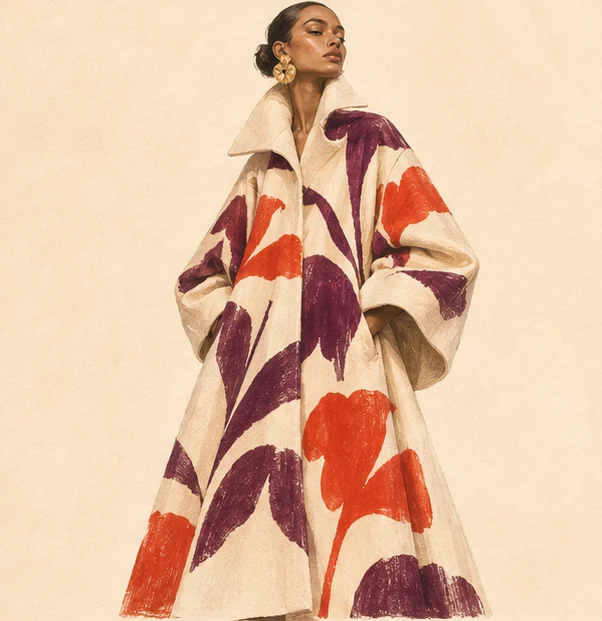
Think of a jacket with a standing collar that folds flat as soon as the wearer moves. Solving it may require a change in grain, interfacing or the shape of the pattern. The drawing alone cannot settle the question. A curriculum that allows time for prototyping should appeal to someone who wants to work through those questions. On a visit, ask to see an intermediate sample and what changed between that stage and the finished senior look.
How SCAD’s achievement scholarship portfolio works
For undergraduate achievement honors scholarship consideration, SCAD asks for a portfolio with a résumé or list of achievements. One submission category is visual arts/fashion, for which its guidance describes ten to twenty pieces. Options extend beyond garment photographs to work such as prints, sculpture, drawing or fiber art. The portfolio need not match the intended major. Follow the current category instructions and identify your contribution to collaborative pieces. SCAD portfolio and writing guidelines Undergraduate scholarship portfolio categories
The résumé and images can do different jobs. Suppose you organized a school production and also printed fabric for its costumes. The résumé can explain what you organized, over what period and with whom. A print sample and a well-lit detail of its use can show the creative work. Repeating a long account of the production below every image leaves little room for the viewer to look.
A useful edit for the student with a mixed-media portfolio
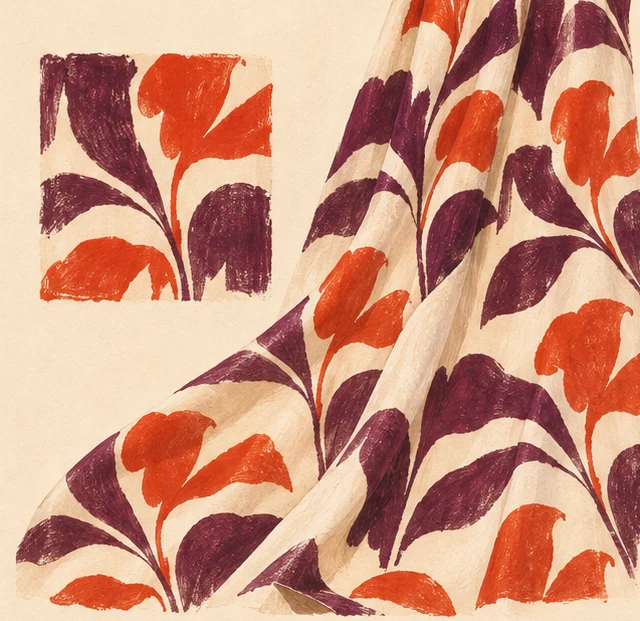
Take a print series you already have and lay the prints on a table. Choose one with a repeat or color relationship that interests you. If you have developed it further, show how the scale changed when the image moved from a small print onto a textile or object. Keep the best standalone print if it communicates something more clearly than the experiment. The final portfolio can reflect both sustained achievement and a developing interest in fashion.
Now put your entire submission in thumbnail view. Are the smallest pieces readable? Are three images using nearly identical compositions? Does your strongest work appear early enough to establish your intentions? Check references and credits for pieces influenced by another artist. SCAD explicitly addresses originality, collaborative roles and citation in its guidelines. SCAD portfolio and writing guidelines
Choosing SCAD and comparing aid offers
SCAD is a candidate for students drawn to developing a collection through a defined sequence and to working across visual media. Families comparing costs should ask when scholarship materials are reviewed and what conditions apply to an award. Use the actual award and its renewal terms when making the enrollment decision. A strong portfolio takes work, and the amount of any award remains the school’s decision.
Should a first-year fashion applicant upload twenty pieces?
Ten to twenty is the published range for the visual arts/fashion scholarship category. Choose within that range according to the strength and variety of your work. A submission near the lower end can be complete when every piece contributes. Verify the guidelines for your applicant type, especially if you are pursuing transfer credit. SCAD portfolio and writing guidelines Undergraduate scholarship portfolio categories
Continue your portfolio research
Read the Otis College of Art and Design review or compare all ten U.S. fashion design programs. For feedback on your own draft, see Helen Sotropa’s private fashion portfolio review.